

The Science Behind Adaptogens:
Why They’re Key to Managing Stress
Although the word “Adaptogens” is a new buzzword in health and wellness circles, the term was actually coined by scientists as early as the 1940s. But what does this word really mean, and who is it for? In this article, we’ll help you dissect the facts from the fiction and give you a clear understanding of what adaptogens are and how they might benefit you.
What Are Adaptogens?
Simply put, adaptogens are natural substances, typically herbs or plant extracts, that help your body adapt to stress. They can help manage both mental and physical stressors by supporting the body’s ability to maintain homeostasis. When your body experiences stress, it releases hormones like cortisol, which, when elevated for prolonged periods, can have negative effects on health. Adaptogens may help combat these effects by regulating cortisol levels, improving stress resilience, and enhancing overall well-being.
Research shows that adaptogens can exhibit neuroprotective, anti-fatigue, antidepressant, anxiolytic, and nootropic effects. Some of the most well-researched adaptogens include Rhodiola Rosea, Apigenin, Ashwagandha, L-Theanine, and Phosphatidylserine.
The Benefits of Top Adaptogens
Rhodiola Rosea: Known for its ability to reduce fatigue and enhance mental performance, Rhodiola Rosea is often used to support mood and cognitive function, particularly in stressful situations.
Apigenin: A flavonoid commonly found in chamomile, Apigenin is known for its calming effects and its ability to reduce anxiety and promote relaxation, making it an ideal addition to stress management regimens.
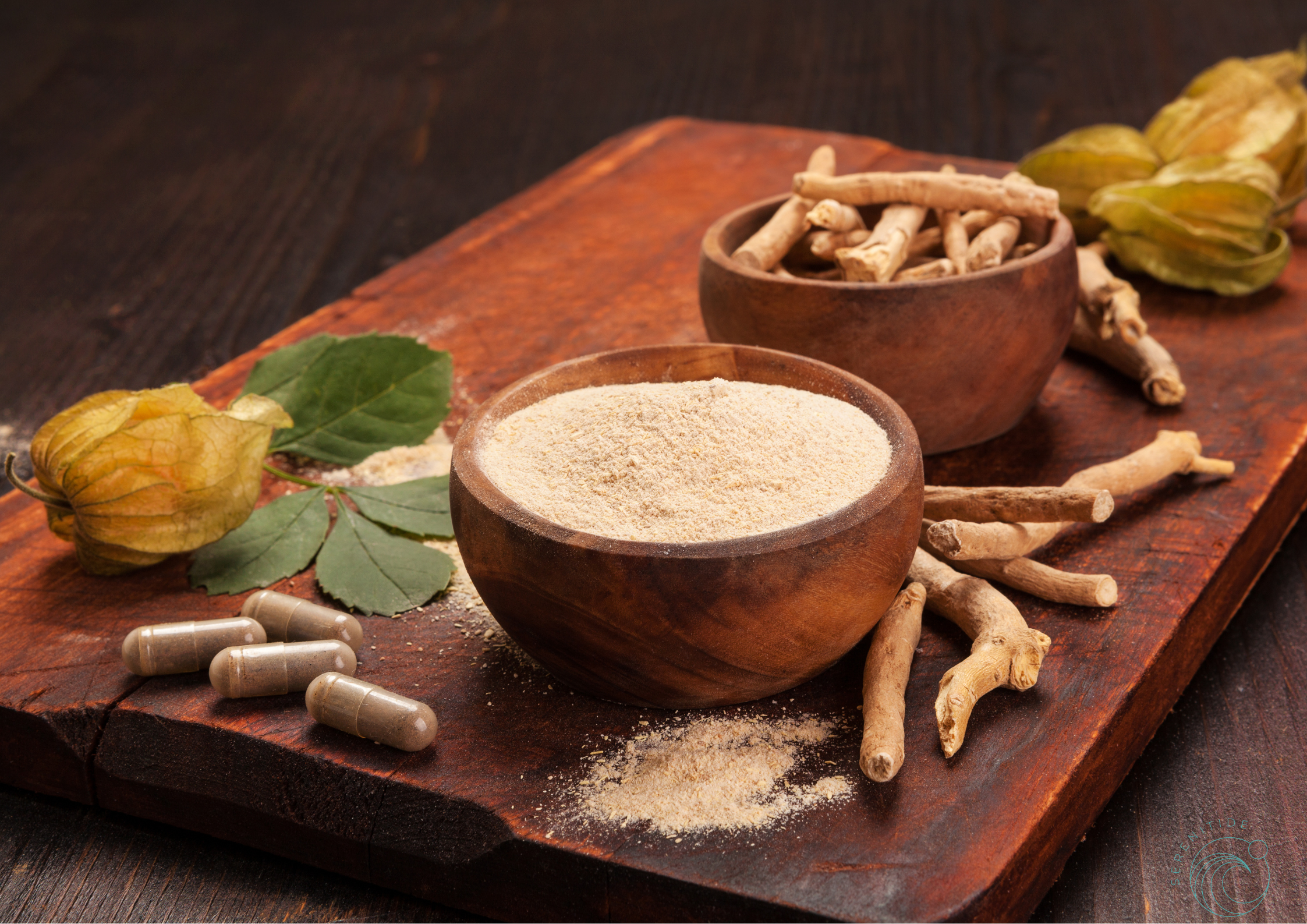
Ashwagandha: A powerful adaptogen often used in Ayurvedic medicine, Ashwagandha is known for its stress-reducing properties, potential to lower cortisol levels, and support for overall mental well-being.
L-Theanine: Often referred to as Tulsi, L-Theanine is praised for its anti-inflammatory and anxiolytic properties. It may help manage anxiety and protect the body from oxidative stress.
Phosphatidylserine: Though not a herb, this phospholipid plays a key role in brain health. It has been studied for its potential to lower cortisol levels and support cognitive function during stressful times.
How to Use Adaptogens Safely
While adaptogens can offer numerous benefits, it’s important to use them correctly. Consulting with a healthcare provider before adding adaptogens to your routine is recommended, especially if you are pregnant, nursing, or taking medication. Typically, adaptogens are available in various forms such as capsules, powders, tinctures, or teas. Dosage and frequency can vary based on the adaptogen and individual needs.
Final Thoughts
Incorporating adaptogens into your wellness routine may provide a natural way to enhance stress resilience, support mental clarity, and promote overall well-being. As research continues to unfold, the therapeutic potential of adaptogens becomes increasingly clear. By understanding their unique properties and benefits, you can make more informed choices about how to use them effectively.
Are you ready to explore the world of adaptogens?
Explore our stress management blend here. Try incorporating one of the well-researched adaptogens into your routine and observe how it supports your stress management and overall vitality.
Resources: